Remarkable craftsmanship defines nuanced details within innovative spinking approaches and applications
- Remarkable craftsmanship defines nuanced details within innovative spinking approaches and applications
- The Foundations of Spinking Technique
- Understanding Material Interactions
- Spinking Across Different Artistic Disciplines
- Spinking in Digital Illustration
- The Role of Light and Shadow in Spinking
- Creating Depth Through Value Gradations
- Applications and Innovations in Spinking
- Expanding Horizons: Spinking and Mixed Media
Remarkable craftsmanship defines nuanced details within innovative spinking approaches and applications
The world of artistic creation is constantly evolving, with innovators continually seeking new methodologies to express their vision. One such technique, gaining increasing attention for its unique textural qualities and aesthetic appeal, is spinking. This process, a delicate blend of layering, manipulation, and meticulous detailing, offers artists a fresh avenue for exploring form and texture. It’s a technique utilized across a surprisingly diverse range of mediums, from painting and sculpture to digital art and mixed media creations. The appeal lies in its capacity to yield subtle, nuanced outcomes, adding depth and complexity to otherwise conventional approaches.
While often appearing deceptively simple, successful spinking demands a high degree of skill and patience. It requires an understanding of material properties, an eye for subtle variations in tone and texture, and a willingness to experiment. The results can be incredibly rewarding, allowing artists to create pieces that possess a tactile quality and a visual richness that draws the viewer in. This method isn’t about brute force or bold statements; it’s about restrained elegance and the power of accumulated detail, constantly refining an initial idea into a tangible and compelling artwork. It challenges conventional notions of application and encourages a more intimate relationship between the artist and their materials.
The Foundations of Spinking Technique
At its core, spinking involves a deliberate and controlled layering of materials, often in incredibly thin applications. This distinguishes it from impasto techniques, which emphasize thick, visible brushstrokes. The goal isn’t to create a substantial physical build-up, but rather to establish an intricate network of textures and tones that build up gradually with each successive layer. This can involve the use of washes, glazes, dry brushing, or a variety of other application methods, depending on the chosen medium and the desired effect. The artist must consider how each layer interacts with the ones beneath it, creating shadows, highlights, and subtle color shifts. This layered approach isn’t haphazard; it's a carefully orchestrated process that demands observation and adaptation as the work evolves.
Understanding Material Interactions
The success of spinking hinges significantly on understanding how different materials interact with one another. For example, when working with acrylics, the artist must consider the differing levels of transparency and drying times of various mediums and additives. Similarly, in oil painting, the principle of “fat over lean” – applying layers with increasing oil content – is crucial to prevent cracking and ensure long-term stability. Even subtle changes in the binder or pigment concentration can dramatically alter the final appearance. Therefore, experimentation and thorough testing of materials are essential components of mastering this technique. The artist needs to be aware of potential reactions, such as pigment sinking or beading, and adjust their approach accordingly.
| Material | Key Considerations for Spinking |
|---|---|
| Acrylics | Transparency of mediums, drying times, potential for layering with different viscosities. |
| Oils | "Fat over lean" principle, solvent compatibility, drying times, potential yellowing. |
| Watercolors | Paper quality, water control, layering glazes for depth, lightfastness of pigments. |
| Pastels | Fixative application, blending techniques, layering soft and hard pastels, support surface. |
The choice of support also plays a crucial role. A smooth, non-absorbent surface is generally preferred for spinking, allowing for controlled application and preventing the materials from sinking in too quickly. However, some artists intentionally incorporate textured surfaces to add further complexity to the work. The ultimate decision depends entirely on the artist's aesthetic goals and the specific techniques being employed. Understanding the material nuances is paramount to achieving intended effects.
Spinking Across Different Artistic Disciplines
While rooted in traditional painting and drawing, the principles of spinking have found application in a surprisingly broad spectrum of artistic disciplines. Digital artists, for instance, utilize similar layering techniques in software like Photoshop to create richly detailed textures and atmospheric effects. The software allows for non-destructive editing, enabling artists to experiment with different layering orders and blending modes without permanently altering the underlying layers. Sculptors, too, can employ spinking-inspired approaches when working with materials like clay or wax, building up forms gradually through the addition of small, controlled layers. This echoes the same patient and meticulous approach that defines traditional spinking techniques. The foundational concepts are transferrable, enriched through each medium’s unique properties.
Spinking in Digital Illustration
In the realm of digital illustration, spinking manifests as the artful combination of brushes, textures, and blending modes. Artists simulate the effects of traditional layering by meticulously building up details with digital brushes that mimic the behavior of various physical media. The ability to adjust opacity, blend modes, and color balance allows for an unprecedented level of control over the final image. Digital spinking often involves the creation of custom brushes and textures, tailored to the specific needs of the artwork. This allows for highly personalized and nuanced results, pushing the boundaries of digital painting and illustration. The precision afforded by digital tools opens up new possibilities for simulating complex textures and atmospheric effects.
- Layered Brushes: Utilizing brushes designed to mimic subtle textures and avoid harsh edges.
- Blending Modes: Experimenting with blending modes (Multiply, Overlay, Soft Light) to create depth and realistic interactions between layers.
- Custom Textures: Incorporating custom-created textures to add surface detail and visual interest.
- Opacity Control: Carefully managing layer opacity to build up subtle color transitions and values.
The key to successful digital spinking is a strategic approach to layering, an understanding of how different blending modes affect the final image, and a willingness to experiment with various brushes and textures. It’s about harnessing the power of digital tools to recreate the nuanced effects that are traditionally achieved through painstaking physical techniques.
The Role of Light and Shadow in Spinking
Perhaps the most defining characteristic of spinking is its ability to manipulate light and shadow, creating a sense of depth and atmosphere that draws the viewer in. The subtle layering of tones and textures allows for a gradual transition between light and dark, resulting in a remarkably realistic and nuanced rendering of form. This is particularly evident in paintings and drawings where the artist is attempting to depict complex surfaces or atmospheric effects. The way light interacts with the textured surface becomes a central element of the artwork. Careful attention must be paid to the direction of light, the intensity of shadows, and the way these elements interact with the colors and textures to create a sense of volume and presence. This isn’t simply about accurately representing what is seen; it's about conveying a feeling or mood.
Creating Depth Through Value Gradations
Achieving a convincing sense of depth through spinking relies heavily on the careful control of value gradations. This involves transitioning smoothly between light and dark tones, creating a sense of form and volume. The artist can achieve this by layering thin washes of color, gradually building up darker values in areas of shadow and leaving lighter values in areas of highlight. It's also important to consider the way the eye perceives value. For example, a subtle value shift can be more noticeable in a dark area than in a light area. Therefore, artists must carefully calibrate their value choices to achieve the desired effect. The use of glazes can also enhance the sense of depth by subtly altering the color temperature of different areas of the painting.
- Establish a Value Map: Begin by creating a basic value map of the subject matter, identifying the lightest and darkest areas.
- Layer Thin Washes: Gradually build up darker values with thin washes of color, paying attention to the direction of light.
- Subtle Value Shifts: Introduce subtle value shifts to create a sense of form and volume.
- Consider Context: Be mindful of how value is perceived in relation to surrounding colors and textures.
The skillful manipulation of value is essential for creating a convincing illusion of depth and realism in spinking. It’s a technique that rewards patience, observation, and a deep understanding of how light and shadow interact with surfaces. It allows the artist to sculpt with light, creating a sense of form and volume through delicate transitions and nuanced gradations.
Applications and Innovations in Spinking
Beyond its traditional applications in fine art, spinking is finding new life in areas like prop making, miniature painting, and even cosmetic artistry. The demand for realistically textured surfaces and nuanced details is driving innovation in materials and techniques. Artists are experimenting with unconventional materials, such as sand, sawdust, and pulverized pigments, to create unique textures and effects. Furthermore, the integration of digital tools is expanding the possibilities of spinking, allowing for the creation of hyperrealistic renderings and complex visual effects. The boundaries of what is possible are constantly being pushed by artists who are willing to experiment and challenge conventional approaches.
Expanding Horizons: Spinking and Mixed Media
The versatility of spinking truly shines when integrated with mixed media approaches. Combining the layering techniques with unconventional materials—natural fibers, metallic foils, fragmented glass—can yield extraordinary tactile and visual effects. This isn't merely about adding textures; it’s about creating a dialogue between the materials, allowing their inherent qualities to interact and complement each other. Such fusions demand exploratory effort, but the results can be extraordinarily compelling, extending the possibilities of expression and creating works resonating with depth and multifaceted appeal. It encourages a re-evaluation of traditional art boundaries, fostering a unique artistic language.
The future of spinking lies in continued experimentation and cross-disciplinary collaboration. As artists continue to explore new materials and techniques, we can expect to see even more innovative and breathtaking applications of this versatile and expressive art form. It’s a testament to the power of patient observation, meticulous craftsmanship, and a willingness to push the boundaries of artistic convention, promising a resurgence of interest in the delicate nuances of textured artistry.
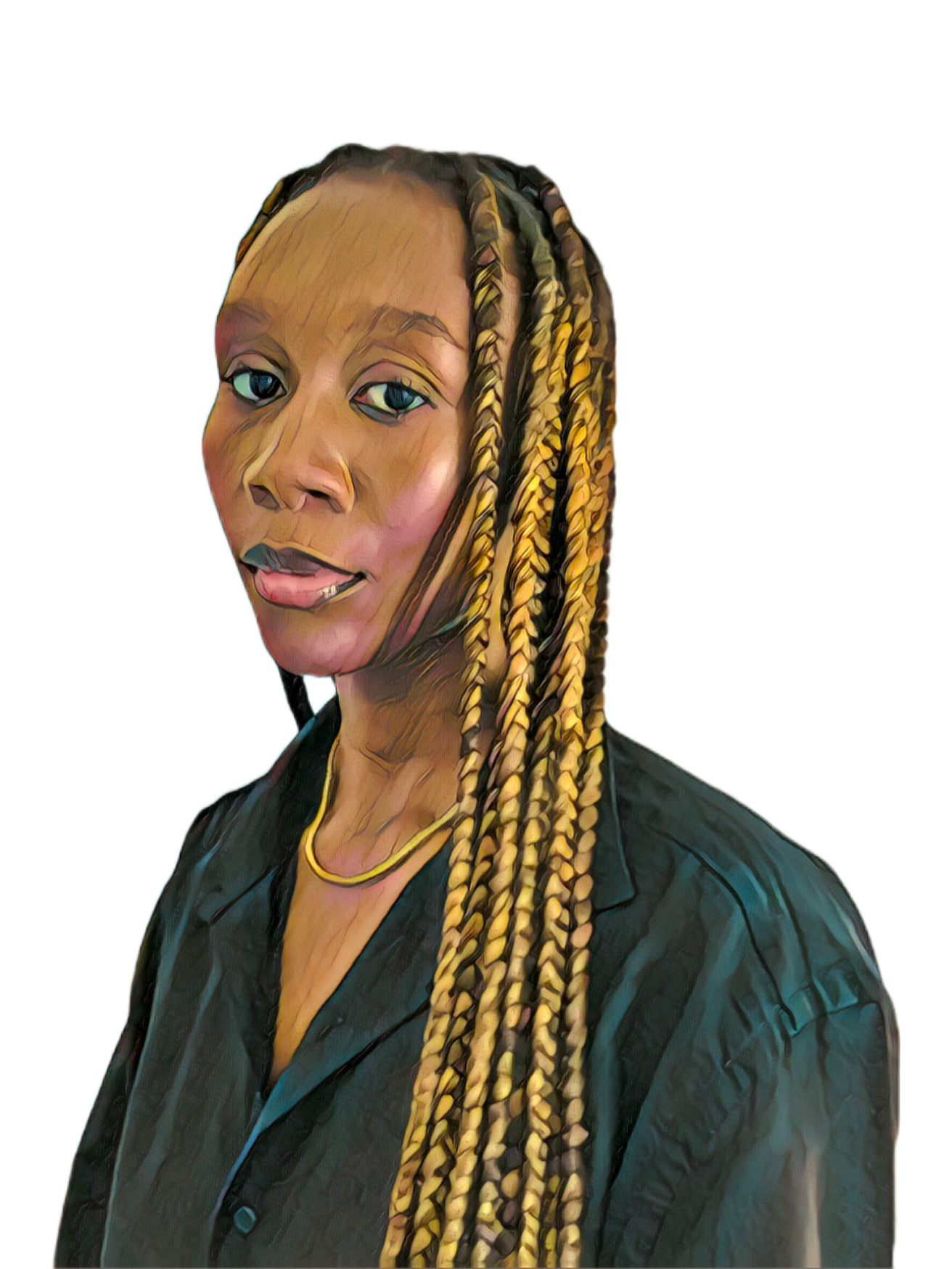 @etashelinto